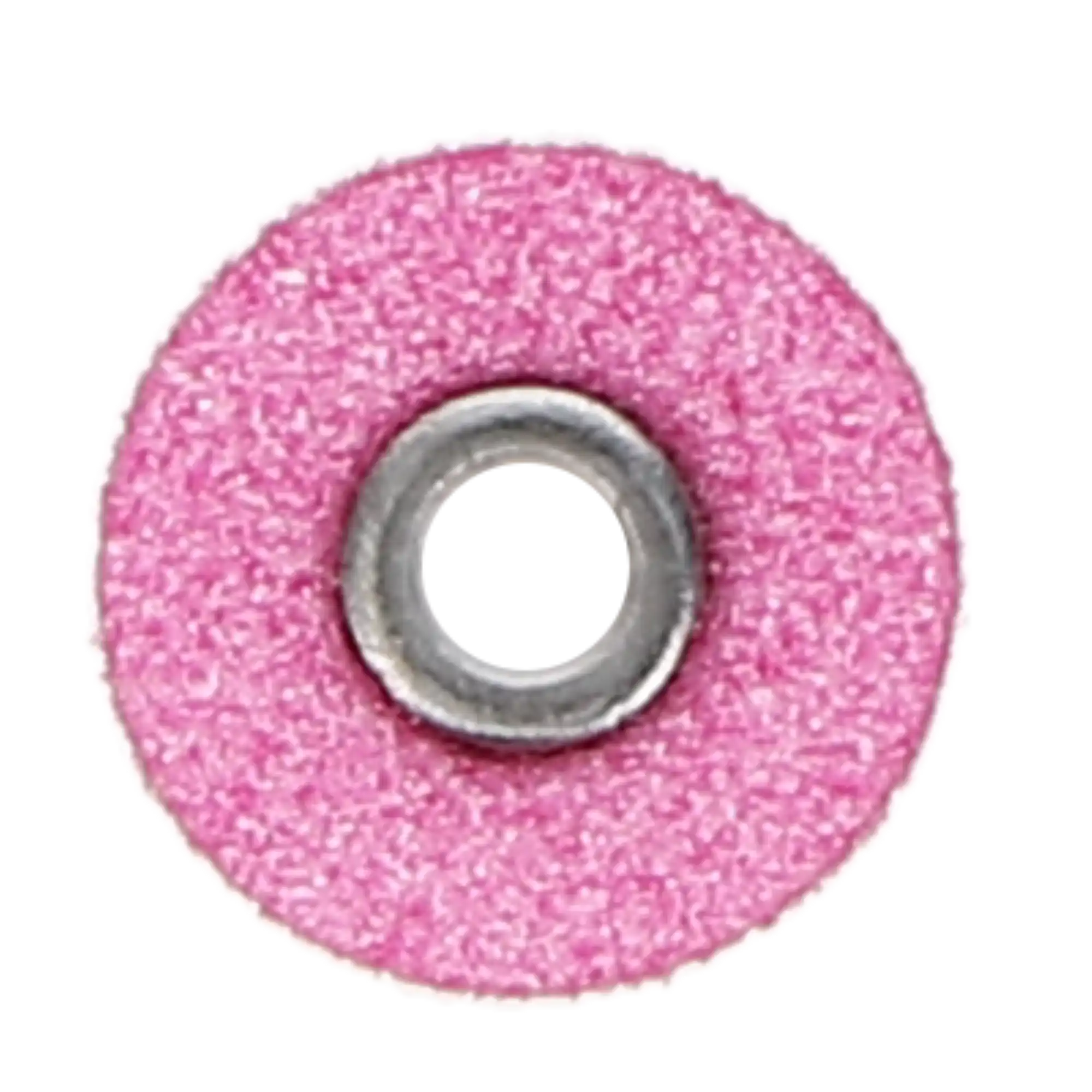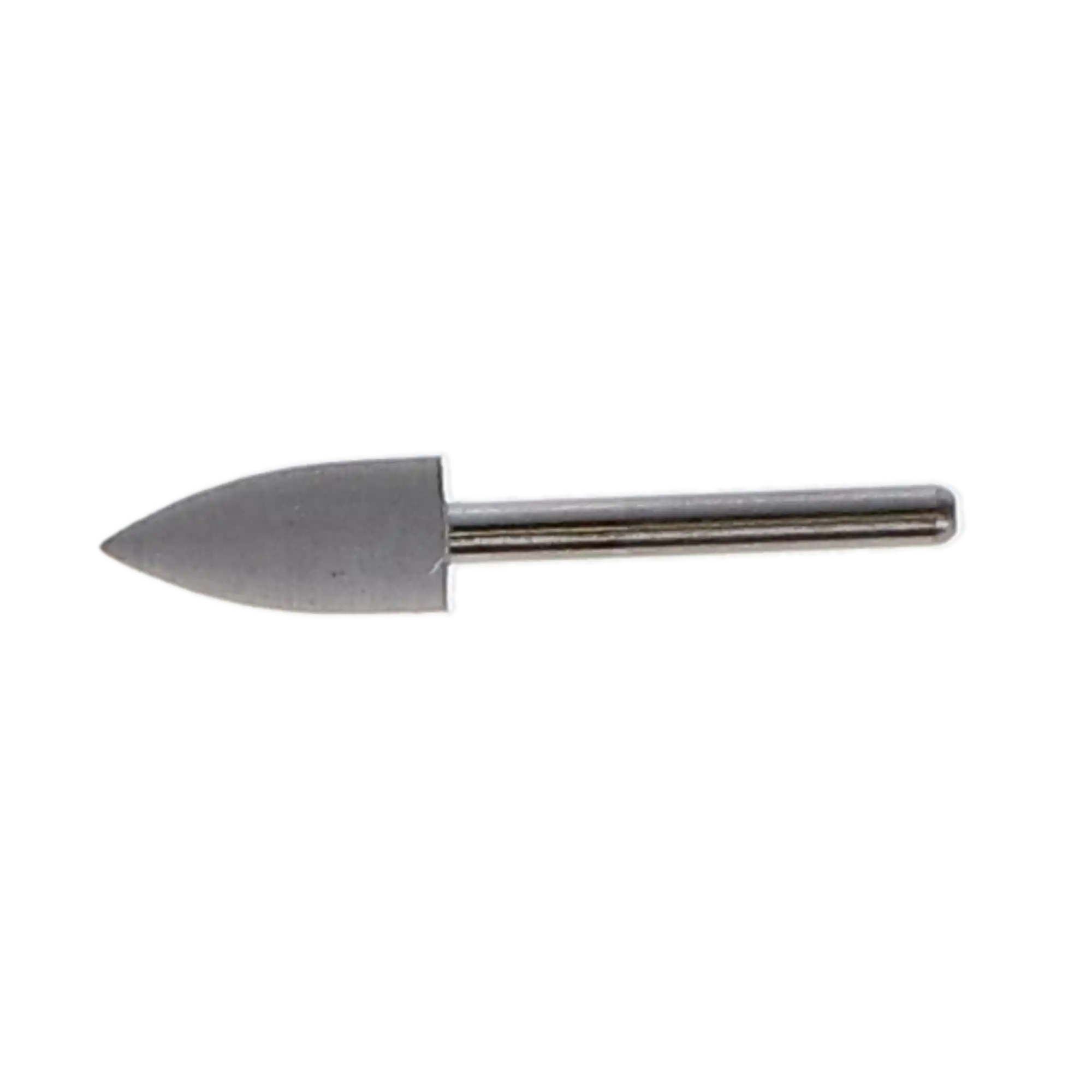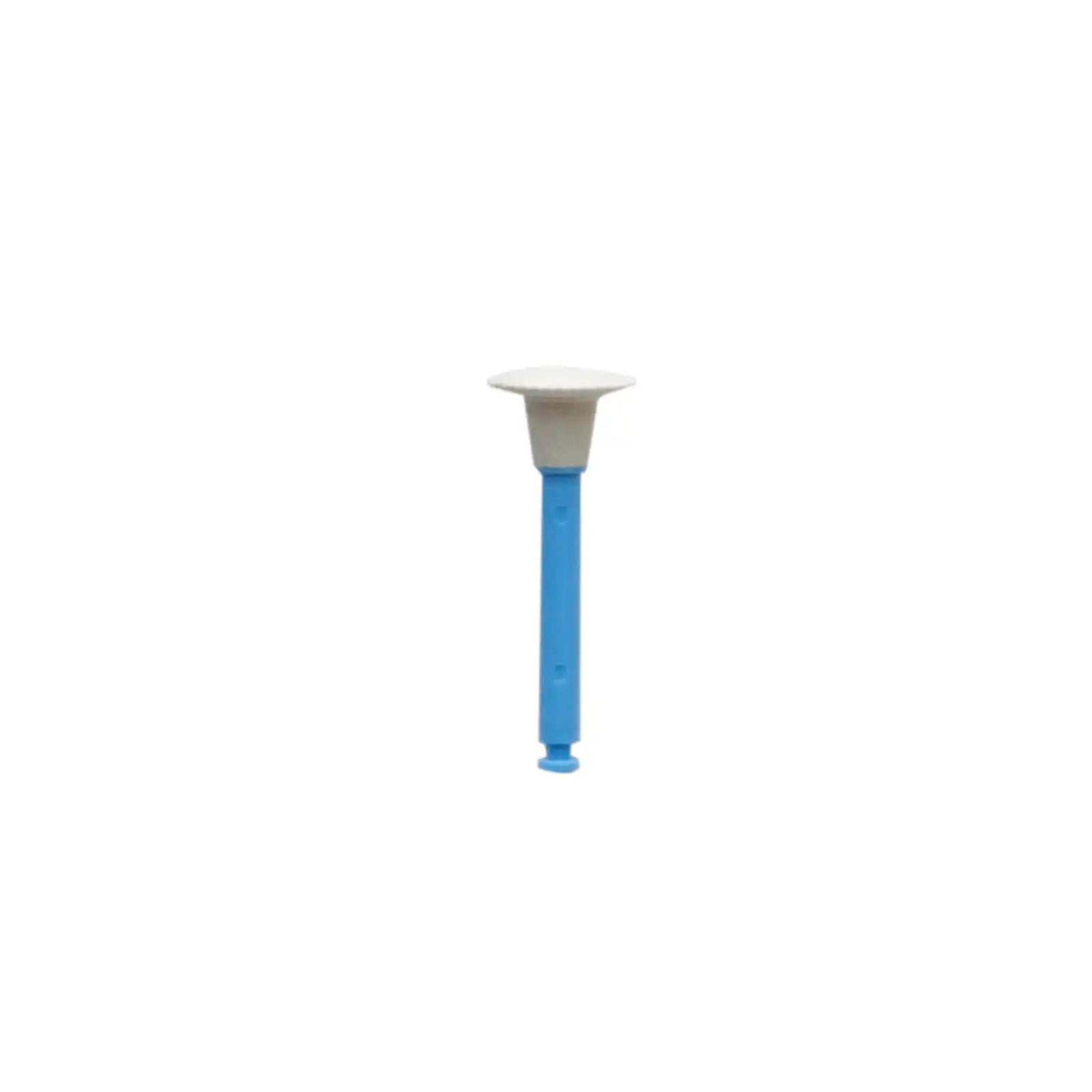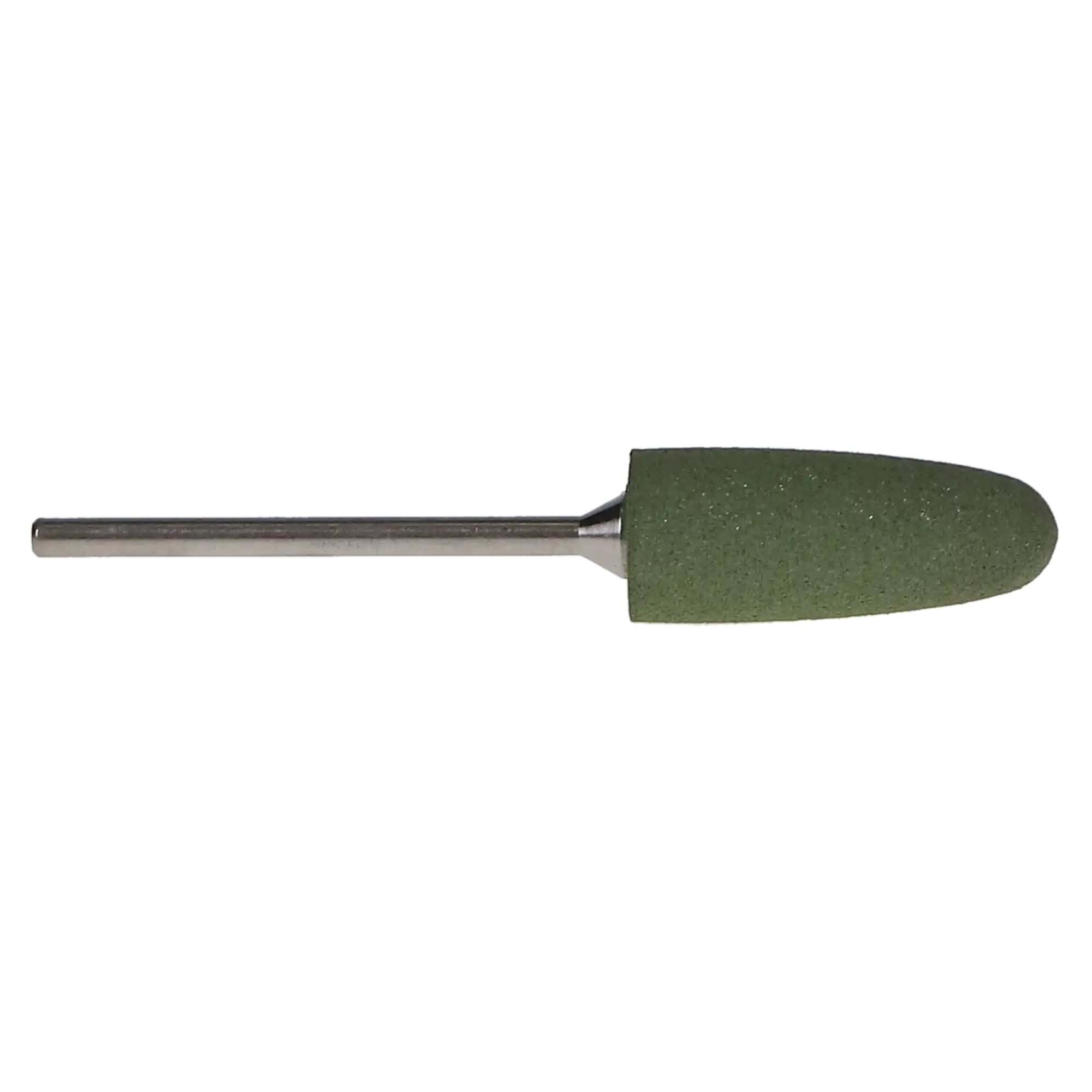
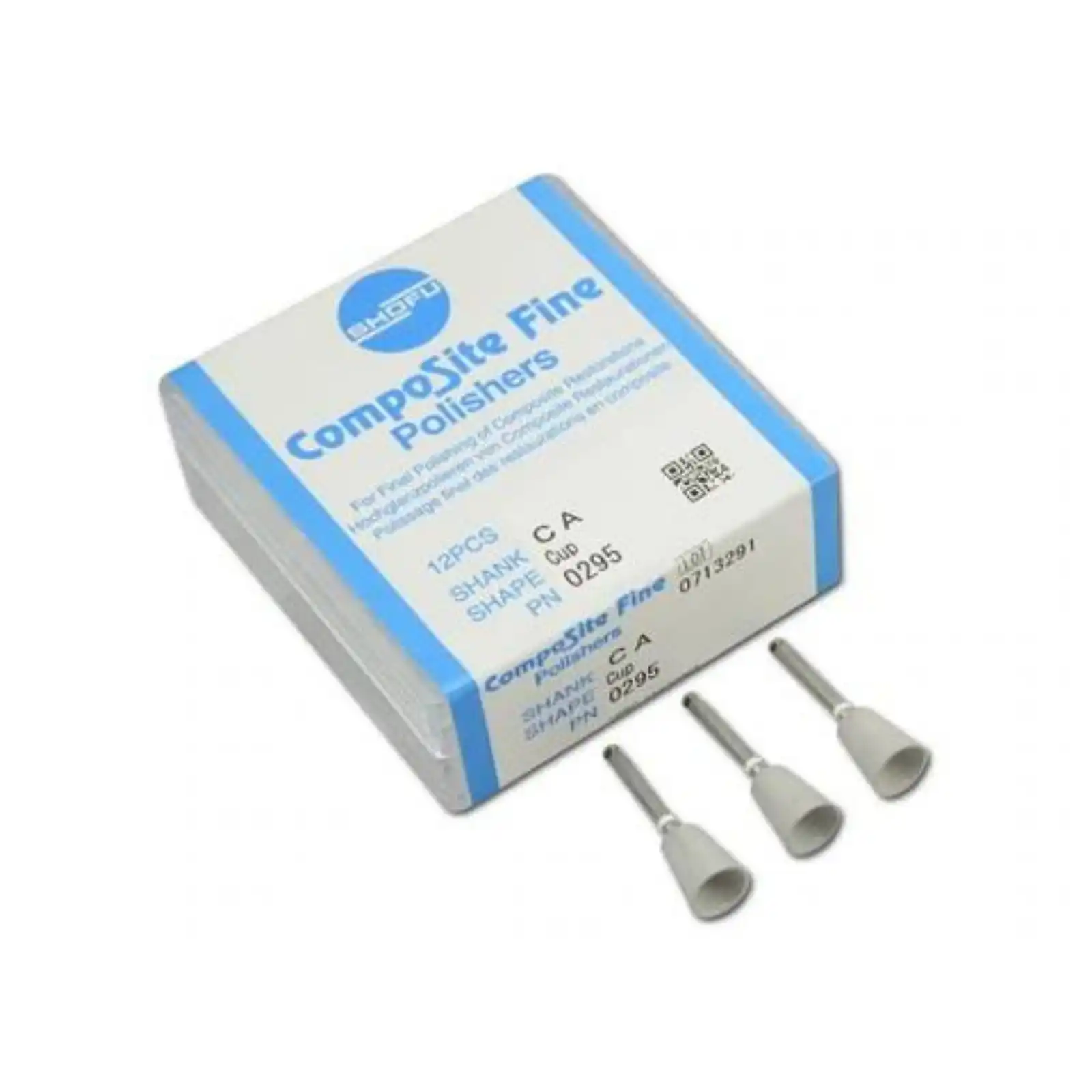
- ISO 080 cup adapts to broad surface contours
- Fine grade supports high-luster composite polish
- Zirconium dioxide silicone provides final polish
- RA shank fits compatible contra-angle handpieces
- White band identifies the Fine polishing stage
- Quantity: 12 per Pack
Shofu Dental CompoSite Polishers, RA, Cup, 080, Fine, White is used for final polishing of composite and glass ionomer restorations where clinicians need a flexible cup that can refine accessible surfaces without scratching surrounding enamel. The Fine configuration is the polishing stage within the CompoSite system and uses a white-banded zirconium dioxide impregnated silicone polisher to develop a smooth, lustrous surface after finishing and pre-polishing, with a cup geometry especially suited to broad restorative contours as well as subgingival and interproximal surfaces.Each pack contains 12 cup polishers in ISO size 080, supplied with an RA contra-angle shank and a white identification band that distinguishes the Fine polishing stage from the regular CompoSite finishing and pre-polishing instruments.
Dental offices ordering composite polishing cups from their supplier can buy this Fine grade for the final step in a two-stage polishing sequence, since the mounted format is ready for use in a compatible RA handpiece without a separate mandrel.CompoSite Fine works as the second stage of the two-step CompoSite polishing approach. Standard CompoSite polishers use aluminum oxide impregnated silicone for finishing and pre-polishing, while CompoSite Fine uses zirconium dioxide impregnated silicone to produce the final lustrous polish. The flexible cup can adapt to curved restoration surfaces while the abrasive-loaded silicone refines the surface under controlled rotary contact, and cups are particularly useful for subgingival and interproximal areas, where their broader flexible profile can follow surface transitions.
The system does not require polishing paste for its intended polishing action, allowing the rotary polisher itself to provide the abrasive finishing step across composite and glass ionomer restorative surfaces.